How to Determine if Wet Carpet Can Be Saved After Clean Water Damage
When a pipe bursts, a toilet overflows, or a washing machine hose gives way, the water that floods your carpet is usually clean at the moment of contact. That detail matters. Clean water damage is less alarming than sewage or floodwater contamination, but it still puts your carpet and your indoor environment at risk. The question homeowners and facility managers face is straightforward: can the carpet be dried and reused, or does it have to come out?
The short answer is yes, wet carpet from clean water can often be saved, but only if you act within 24 to 48 hours and the conditions are right. After that window, mold growth, delamination, and subfloor damage typically make replacement the smarter move. Whether you call in a professional or handle the drying yourself, the deciding factors are the type of carpet, the amount of water, the padding underneath, and how quickly moisture is removed from the entire assembly.
What Clean Water Does to Carpet
Carpet is a layered system. The visible face fibers sit on a primary backing, which is bonded to a secondary backing, and underneath that is a cushion or pad. When water soaks through, every layer holds moisture. The face fibers may be nylon, polyester, wool, or a blend, each with different drying characteristics. The backing is often latex or rubber, and the pad is usually polyurethane foam or rubber. These materials do not dry evenly. The pad acts like a sponge and can stay wet for days if not extracted properly.
Prolonged moisture causes the backing to break down, the pad to disintegrate, and the subfloor to absorb water. Even if the water started clean, standing moisture creates a breeding ground for mold and bacteria within 24 to 48 hours. That is why speed is the single most important factor. If you start extraction within a few hours, the odds of saving the carpet go up significantly.
When Drying Might Work
Several conditions make drying a viable option. If the water was from a clean source and the carpet is synthetic (nylon or polyester), the fibers will not rot. If the pad is dry or only lightly damp and the subfloor is concrete, the risk of hidden moisture is lower. If you have powerful extraction equipment, high-velocity air movers, and dehumidifiers, you can pull the moisture out before mold sets in.
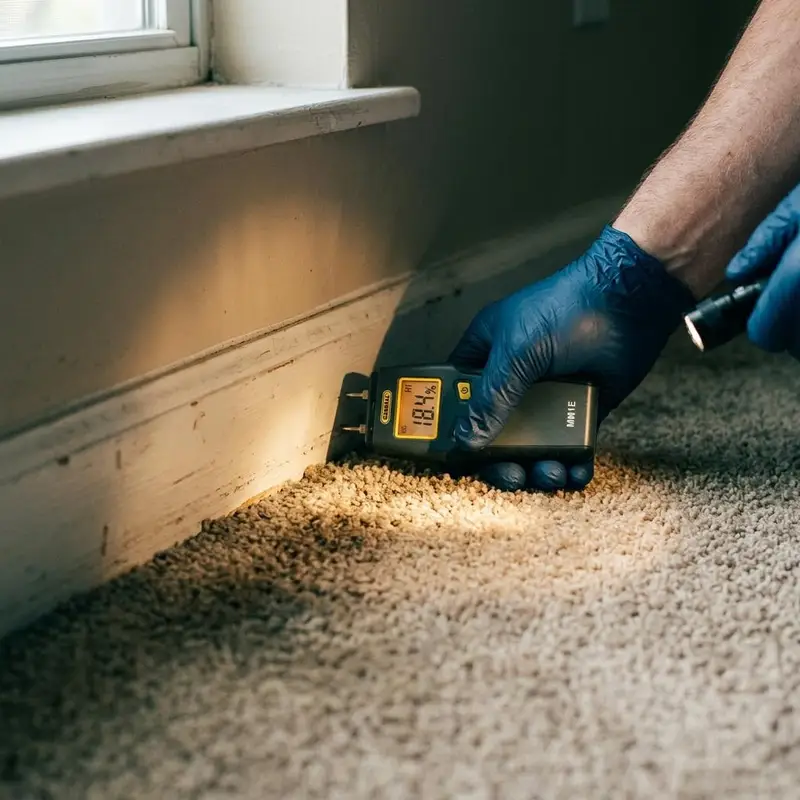
The process requires removing as much water as possible with a wet vacuum, then lifting the carpet to expose the pad and subfloor. Air circulation under the carpet is essential. You may need to pull the carpet back from the tack strips and prop it up with blocks or chairs to let air flow beneath. Dehumidifiers and fans should run continuously. It is not uncommon to need three to five days of active drying before the carpet is truly dry to the core. Carpet Mold Removal Services Pros carpet mold removal services professionals use moisture meters to confirm that all layers, including the pad and subfloor, are dry before sealing the carpet back down.
If the carpet is wool or a natural fiber, the situation is trickier. Wool can shrink, discolor, and develop a musty smell even after drying. In that case, replacement is often the safer choice, especially if the carpet has sentimental or monetary value that makes professional cleaning worthwhile. But even with wool, a rapid, thorough drying by trained technicians can sometimes save it.
When Replacement Becomes Necessary
There are clear signs that drying is not enough. If the carpet was soaked through to the subfloor and the pad is saturated, the pad will almost certainly need to be replaced. Carpet padding does not dry well. It retains moisture and odors, and it can harbor mold spores that later migrate into the carpet fibers. Replacing the pad while keeping the same carpet is possible, but it is labor-intensive and often costs nearly as much as new carpet with a new pad.
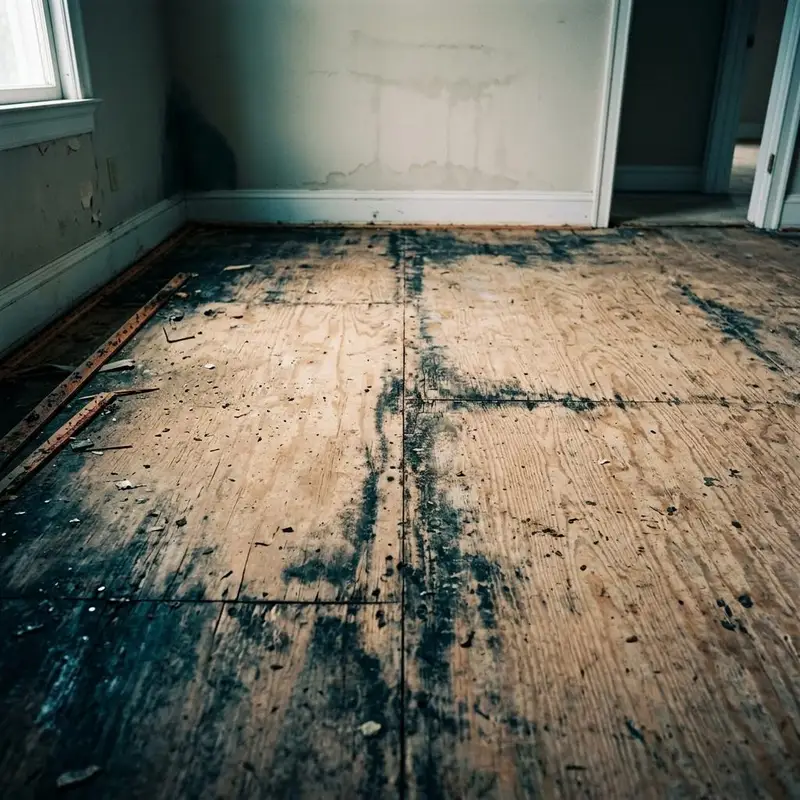
If the water sat for more than 48 hours before extraction began, mold growth is likely already underway. Mold can grow on the carpet backing, the pad, and the subfloor. Even if the face fibers look clean, the underside may be contaminated. Removing mold from carpet is notoriously difficult because the porous backing traps spores. In such cases, carpet replacement services are the most reliable solution. The same applies if the subfloor is wood and has absorbed water. Wood subfloors can warp, cup, or develop mold that requires cutting out sections. Once the subfloor is compromised, the carpet over it must come up.
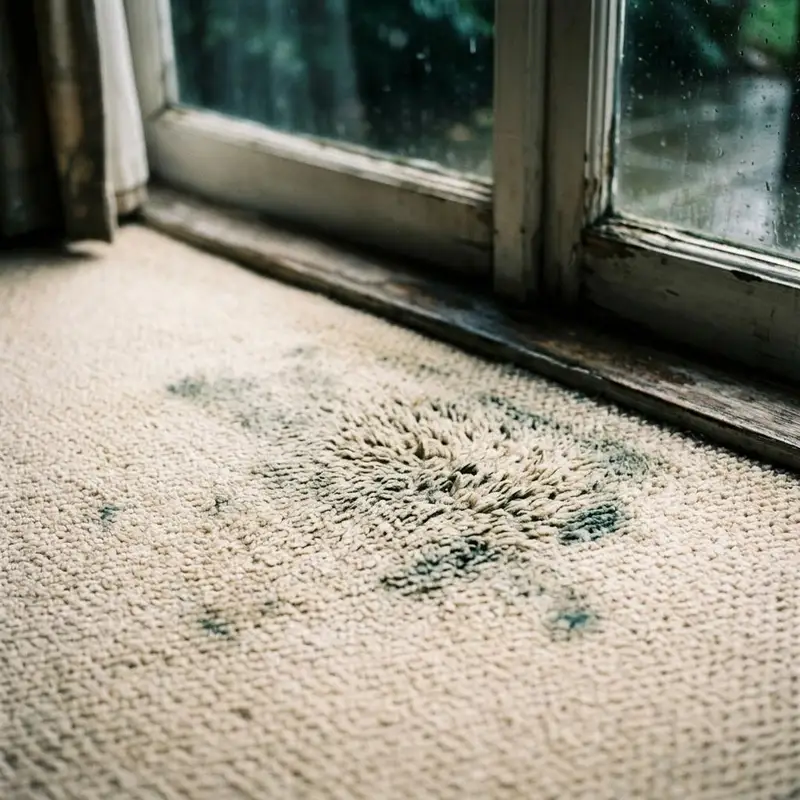
Another scenario that demands replacement is when the water was not truly clean. Even a small amount of gray water from a washing machine or dishwasher can contain detergents, food particles, and bacteria. These contaminants break down the carpet fibers and create odors that drying cannot remove. If there is any doubt about the water source, err on the side of caution and plan for replacement.
How Professionals Assess Salvageability
Experienced restoration technicians follow a standard protocol. They measure moisture content in the carpet, pad, and subfloor using a pin-type moisture meter. They inspect for visible mold, musty odor, and discoloration. They check the carpet's age and condition. Older carpet that is already worn or stained is less worth saving. They also consider the room's use. Carpet in a basement or a room with poor ventilation is more prone to future moisture problems, so replacement may be the better long-term choice even if the carpet could technically be dried.
Professionals also factor in the cost of drying versus replacement. Drying a large area with thick padding and a wood subfloor can require several days of equipment rental and labor. If the carpet is near the end of its useful life, replacement gives you a fresh start with new padding and a moisture barrier. Carpet Mold Removal Services Pros carpet mold removal services teams can help you weigh those trade-offs based on the specific conditions of your home.
Practical Steps to Take Immediately
If you are dealing with wet carpet right now, start with these actions:
- Stop the water source and remove standing water with a wet/dry vacuum or pump.
- Lift the carpet from the tack strips and pull it back to expose the pad and subfloor. Do not cut the carpet unless you are certain you will replace it.
- Remove the wet padding if it is saturated. It is usually easier and cheaper to replace the pad than to dry it.
- Set up fans, dehumidifiers, and air movers to circulate air across the exposed surfaces. Open windows if outdoor humidity is low.
- Check moisture levels daily. Do not reinstall the carpet until the subfloor moisture reading is below 15% for wood or dry to the touch for concrete.
Even after these steps, watch for signs of trouble in the following weeks. A musty smell, discoloration, or allergy symptoms among occupants can indicate hidden mold. If any of these appear, professional assessment and likely carpet replacement services are the next step.
The Bottom Line
Clean water damage does not automatically mean the carpet is lost. With fast action, the right equipment, and favorable conditions, many carpets can be saved. But the window is short, and the risks of mold and structural damage are real. When in doubt, a moisture meter and a professional inspection give you the facts you need. If the carpet is old, the pad is soaked, or the water sat too long, replacement is the safer, healthier choice. The goal is not just dry carpet but a dry, clean, and mold-free environment for the long term.